TL;DR
- Final Taptasy partners with GamePad to integrate AI‑powered execution and infrastructure layers.
- The alliance targets scalability, economic stability and operational automation over speculative engagement.
- OKX Ventures and Enjin provide institutional backing and gaming infrastructure to the ecosystem.
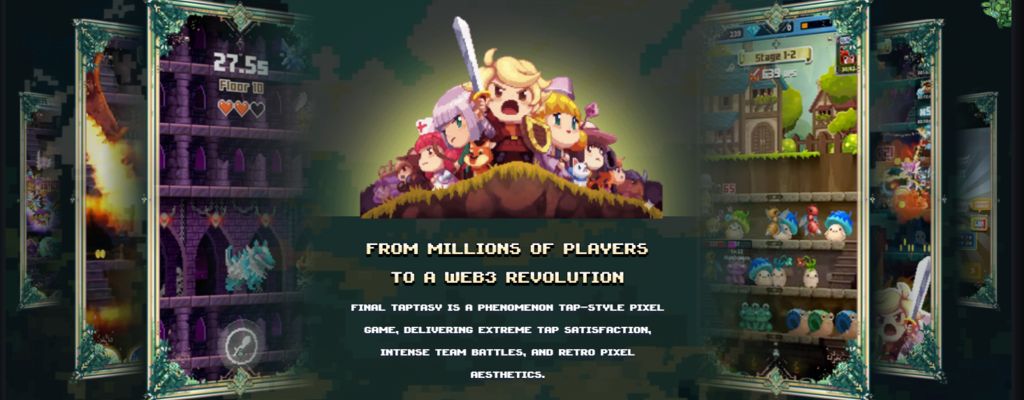
Final Taptasy announced a strategic partnership with GamePad on February 10–12, 2026 to integrate GamePad’s AI-powered execution and infrastructure into its Web3 gaming ecosystem. The tie-up is positioned as an operational pivot: Final Taptasy aims to use AI to improve scalability, economic stability and backend automation rather than rely on token-driven engagement alone.
The deal matters for traders, treasuries and institutional allocators because it shifts value capture toward protocol reliability and automated economic management — features that affect token utility, on-chain transaction patterns and liquidity flows.
Deal mechanics and intended benefits
According to reporting from industry outlets, the alliance pairs Final Taptasy’s game systems with GamePad’s AI execution layers and monitoring tools. The integration targets four operational areas that have direct market implications:
- Scalability: AI-driven execution to optimize throughput and dynamically reallocate resources during high-frequency on-chain activity.
- Economic stability: automated balancing of emissions, rewards and liquidity flows to reduce manual intervention and dampen volatile tokenomics.
- Operational efficiency: AI orchestration of smart-contract execution, event triggers and protocol maintenance to lower operational overhead.
- Player engagement: adaptive systems for personalized interactions and anti-fraud measures such as bot detection to protect in-game economies.
Market and institutional context
The partnership arrives with institutional signals attached. “The backing from OKX Ventures adds institutional credibility while Enjin’s involvement ties GamePad closer to gaming and NFT infrastructure ecosystems,” according to PlayToEarn reporting on the move. That alignment matters: institutional backers can open channels for liquidity, integrations and compliance-ready tooling that treasuries and custodians evaluate when sizing allocations.
For traders and derivatives desks, the operational focus changes the risk profile. Automated economic balancing and AI-managed liquidity flows could reduce sudden supply shocks and merit different assumptions for basis and funding models. For corporate treasuries, improved predictability in emissions and bot protections may lower exposure to on-chain manipulation and flash sell-offs.
Outlook and implications
Final Taptasy’s integration marks an industry tilt toward embedding AI as core infrastructure rather than a peripheral feature. The immediate milestone is the announced integration window of February 10–12, 2026, which initiates live testing of GamePad’s systems in a high-traffic gaming environment.
Gamers should track on-chain indicators tied to the project — transaction throughput, smart-contract error rates, and token emission schedules — to assess whether the AI layers materially improve protocol resilience and liquidity behaviour.
If the execution layers deliver as described, the partnership could become a blueprint for other Web3 games seeking to prioritise system reliability over token-driven user acquisition. That would recalibrate how traders and institutional allocators model operational and token risk across the Web3 gaming sector.