TL;DR
- Immortal Rising 2 adds costumes with combat abilities, obtainable through quests or purchase.
- Planetarium Labs implements two acquisition paths: Collection Quests and direct in-game shop buys.
- Immutable zkEVM powers the costume system and handles NFT integrations smoothly.
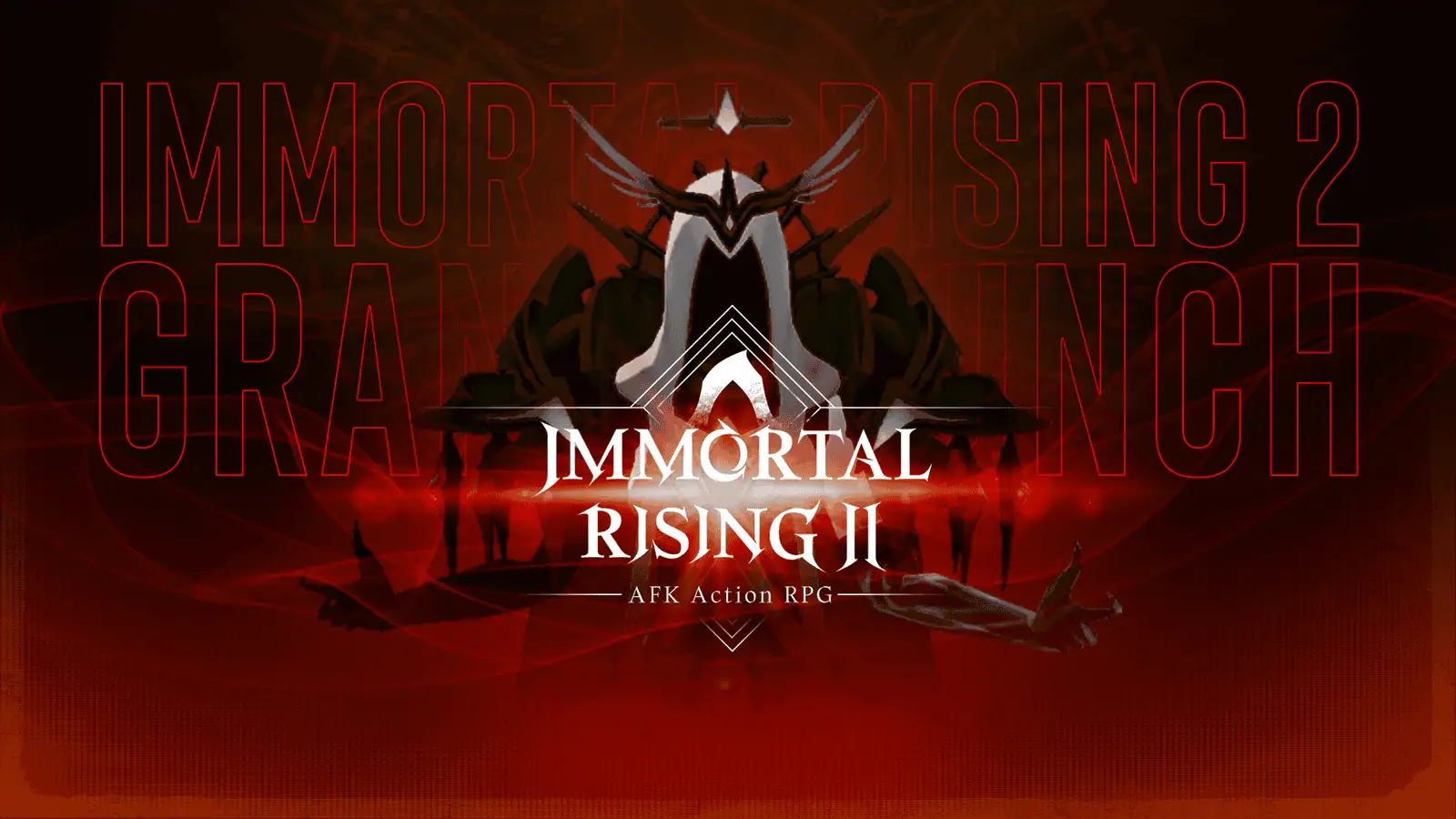
The role-playing game Immortal Rising 2 receives one of its most substantial updates since launch. Studio Planetarium Labs implemented a costume system that changes how players customize their characters: each outfit now provides unique combat abilities, merging aesthetics with concrete tactical decisions.
Until now, skins served a purely visual purpose. With the change, each costume includes active or passive effects that affect battle performance. Players must consider not only appearance but also which skill combinations best suit their play style or the demands of each encounter. The range of possible combinations expands the number of viable setups, moving customization away from a mere aesthetic choice and turning it into a core strategic element.
Players now balance traditional stat progression with selecting outfits that enhance certain combat styles. Some costumes favor burst damage, others reinforce survivability or improve mobility. This mechanic forces users to plan their equipment based on the content they face, whether dungeons, bosses, or player-versus-player battles.
Two Paths to Acquire Costumes: Progression or Direct Purchase
Planetarium Labs designed costume acquisition with different player profiles in mind. The first path is in‑game progression. Users can complete Collection Quests, specific missions that tie each costume’s unlock to concrete achievements. Examples include defeating a certain number of enemies, clearing a specific difficulty, or finishing a chain of quests. This method rewards dedication and allows players who invest time to obtain the same items as those who choose the second path.
Costumes become available for immediate acquisition using in‑game currency or, in some cases, direct payment. This option targets players who prefer to avoid grinding or want a specific costume without delay. The coexistence of both systems aims to maintain balance: players can choose according to their preference, with neither path invalidating the other.
The decision to offer both acquisition methods responds to the game’s user base, which includes both traditional RPG players and collectors of digital assets. By allowing costumes to be earned through active play, the studio avoids the perception that functional content remains restricted only to those who make purchases. At the same time, shop availability generates a recurring revenue stream that funds ongoing development.
The technology behind these features runs on Immutable zkEVM
The Ethereum layer‑2 network, specialized for gaming, provides the infrastructure to handle costumes as digital assets with unique properties. Each costume a player obtains, whether through quests or purchase, gets recorded on the blockchain. This guarantees that the item truly belongs to the player and can be transferred or traded outside the game if the studio enables it in the future.
The platform allows transactions related to costumes and other assets to occur quickly with low fees, a crucial factor for a game where players perform constant actions. Additionally, the network is designed to support complex systems like the Arcane Stone NFT, another core component of the game. Arcane Stones are essential items for advanced character upgrades in later stages. The studio had previously adjusted creation costs for these NFTs to preserve the internal economy and discourage speculative behaviors that could affect the gameplay experience.
The developers indicated that future phases will introduce more outfits with additional abilities, further expanding the available tactical options. The roadmap suggests the costume system will become a pillar of the ongoing content model, with periodic releases keeping the offering fresh for players.
Players are experimenting with costume and skill combinations to optimize their builds. Forums and groups dedicated to the game show discussions about which costumes prove most effective for certain modes and how to prioritize obtaining some over others. The social and competitive element gets reinforced by the need to share strategies and discover synergies among the new abilities.
Planetarium Labs maintains a focus on long‑term sustainability
The company had already built Immortal Rising 2 on a solid technical foundation, and with this update it demonstrates an intent to evolve gameplay without resorting to superficial changes. By tying costumes to functional skills, the studio turns each outfit release into an event with direct implications for the game’s meta, not just its appearance.
The combination of deep gameplay, flexible acquisition options, and an efficient layer‑2 infrastructure positions Immortal Rising 2 as a case study within the digital asset gaming space. While other titles face criticism for prioritizing monetization over gameplay experience, this update aims to balance both aspects. Costumes with skills expand strategy, in‑game missions allow earning them without payment, and the underlying technology ensures each item retains its value and authenticity.