TL;DR
- SHRAPNEL launches battle pass to boost player progression and retention.
- Weekly operator releases keep the shooter fresh and competitive over time.
- $37.5 million funds Unreal Engine 5 gameplay before full crypto integration.
The market for cryptocurrency video games accumulates broken promises and failed launches. SHRAPNEL, one of the most ambitious projects in the sector, just released its first battle pass inside its first-person shooter available on Steam Early Access.
Neon Machine introduces a level-based progression system designed to hook players with weekly rewards, playable operators, and cosmetic items. But does a battle pass justify integrating blockchain into a high-octane action game?
The short answer: no, but the move points in the right direction. SHRAPNEL avoids the mistakes of other titles that launched their tokens without a solid playable foundation. The studio prioritizes the gameplay experience first, then the economy. The battle pass works as a vehicle to deliver predictable and valuable content, a lesson the traditional industry has mastered for years.
The weekly strategy: a smart move for player retention
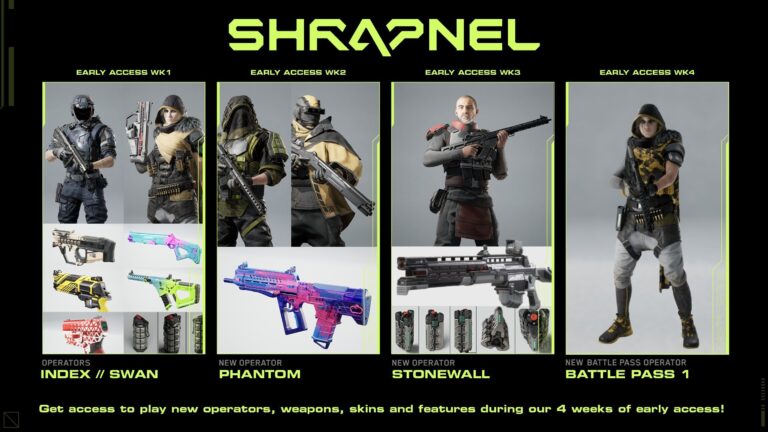
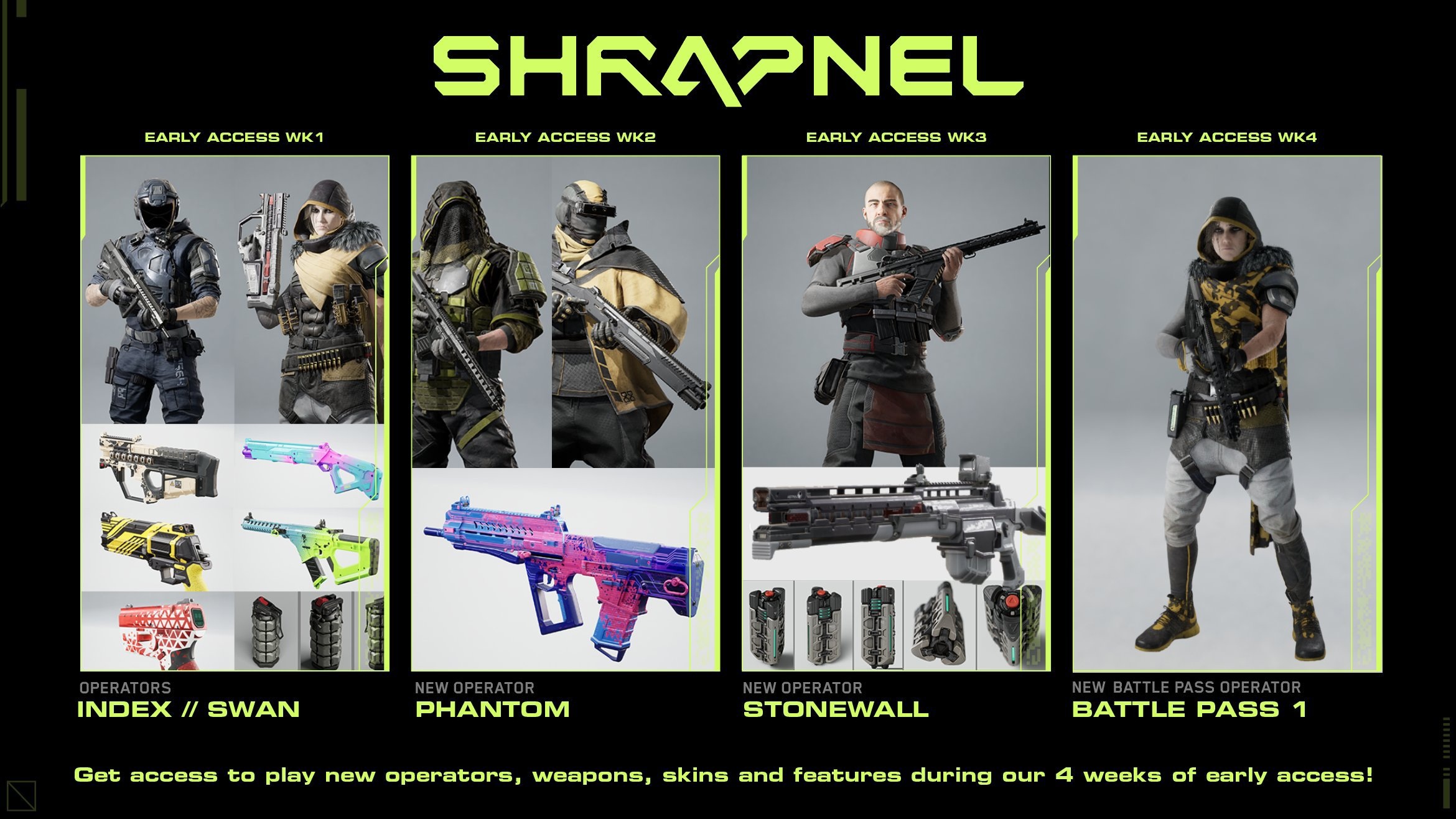
The team behind SHRAPNEL deploys a four-week schedule during Early Access. Each week releases new operators and cosmetic items. The first week included the characters Index and Swan. The following weeks will add Phantom and Stonewall. At the end of the cycle, an operator exclusive to the battle pass completes the offer.
This weekly cadence keeps the conversation active. Players wait for the next Thursday to unlock content. Content creators generate videos with each release. The battle pass turns a linear game into a live service. SHRAPNEL does not invent anything new, but correctly applies a proven model.
First Shrapnel battlepass deploying today!
— SHRAPNEL » Play Now on Steam (@playSHRAPNEL) April 2, 2026
Swan Operator → Rank 2 Initiated
Fresh Weapon Skins
Player Insignias
Profile Backgrounds
Are you ready to level up? https://t.co/KmuPD88x54 https://t.co/zqOam7T7kL pic.twitter.com/YNouiwZVbP
The Swan operator, available at Rank 2 Initiated, stands out for its agility and quick dash moves. Meanwhile, Index uses Sigma energy for powerful attacks. The variety of playstyles encourages players to try different tactics. Weapon skins, insignias, and profile backgrounds complete the cosmetic offer. None of this affects competitive balance, but it feeds the status economy inside the game.
Technology and funding: the solid foundations of a serious project
SHRAPNEL landed on Steam Early Access on March 12, 2026, with the version known as Shrapnel 2.0. This patch was not a simple adjustment. Neon Machine rebuilds central parts of the game using Unreal Engine 5. The company improves server code and hit registration systems. The result is a tactical “move-stop-shoot” rhythm reminiscent of the most polished competitive shooters.
Behind this technical work lies a team with experience in franchises like Call of Duty and Halo. The difference with other crypto projects is obvious: here a functional game exists first, then the blockchain part. The financial backing confirms it. SHRAPNEL secures $37.5 million dollars in funding from investors including Polychain Capital. That amount exceeds the budget of many traditional independent games.
Money does not guarantee success, but it removes the excuse of lacking resources. SHRAPNEL has the capital to hire talent, pay for servers, and sustain an aggressive marketing campaign. The question now is not whether they can build the game, but whether they convince traditional players to accept an onchain economy.
Real asset ownership versus Steam limitations
The battle pass introduces a tradable component within the SHRAP environment. Players can exchange skins, insignias, and other cosmetic items. In theory, each item represents a digital asset with a real owner. In practice, the Steam version does not support full blockchain integration due to Valve’s policies. Steam explicitly prohibits games that issue cryptocurrencies or exchangeable NFTs.
SHRAPNEL navigates this restriction with a two-phase plan. The current Steam version offers the base game and the battle pass with limited functionalities. Full integration with the blockchain will happen on GalaChain, the Gala Games own network.
A player who buys the battle pass on Steam does not truly own their items until migrating to the blockchain version. The company bets on a hybrid model where the traditional game attracts critical mass and the onchain version retains crypto enthusiasts. The risk is that neither audience ends up fully satisfied.
The $SHRAP token operates as the axis of the player-owned economy. The free-to-play 4v4 Stockpile mode in a dystopian Tokyo allows earning basic rewards. The battle pass accelerates the acquisition of rare items.
The system resembles games like Counter-Strike with its skin marketplace, but with the difference that SHRAPNEL promises to decentralize custody. So far, no company has managed to scale a competitive shooter with real asset ownership without sacrificing performance or security.