TL;DR
- Season of Fire adds a Battle Pass and time-shifted dungeon.
- Free game on Immutable uses two tradable tokens for economy.
- Triumph Games plans open-world exploration and player housing next.
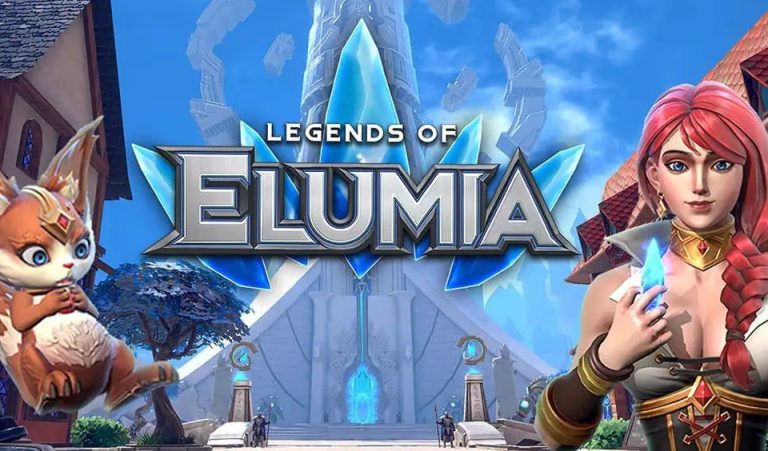
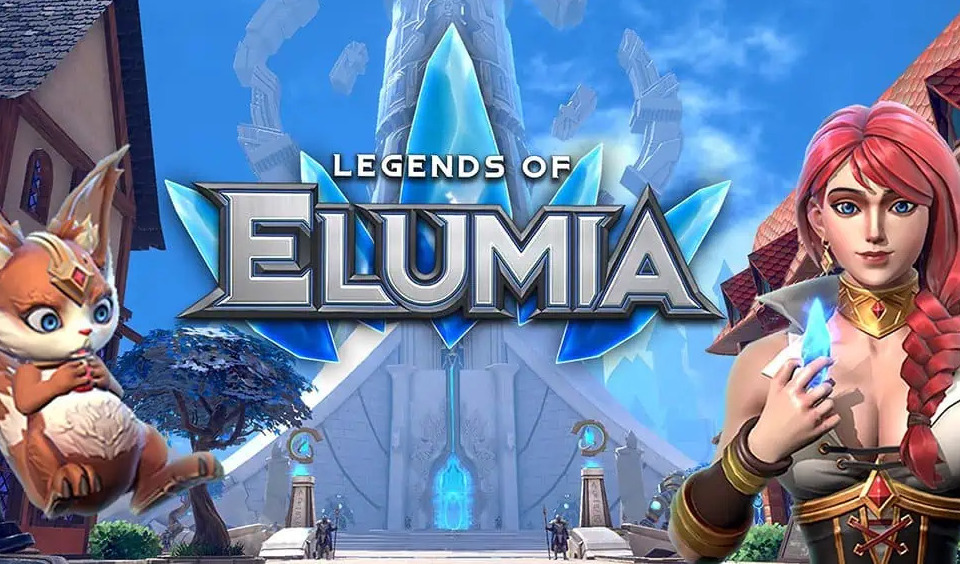
On April 6, Legends of Elumia activated Season of Fire, and the game’s volcanoes erupted. Triumph Games awakens dormant creatures, alters biomes, and demands players join the Magma Hunt. Those who ignore this event fall behind. The company leaves no room for indifference.
The update completely transforms the game’s rules. Erupting volcanoes release new creatures inside dungeons and the open world. These enemies change loot distribution and add layers of risk. Additionally, a fire dragon soars overhead as a visual warning. Triumph Games designs this season as a turning point: players must hunt resources in the Magma Hunt or lose competitiveness. No middle ground exists.
Elumia is changing.
Dormant creatures are awakening. The volcanic surge is here.
Season of Fire is LIVE. Hunt Magma or fall behind.Link below.https://t.co/0OFrFDpAQ3 pic.twitter.com/ZwHjHGR3Ag
— Legends of Elumia (@PlayElumia) April 6, 2026
Why the urgency to participate? The studio makes it clear: the hunt does not represent a side quest. Developers turn the event into a requirement for keeping pace with the game’s evolution. Any player who avoids the Magma Hunt will see their characters and strategies become obsolete. Pressure on the community increases.
Triumph Games tightens the screws on its dual-token economy
Behind this decision lies a key change of ownership. In April 2025, Triumph Games —a studio staffed by veterans from Guild Wars 2 and Final Fantasy— took control of Legends of Elumia. The company shifted the game to a free-to-play model and moved it to the Immutable network to broaden access. Since then, patches have not stopped. Version 1.16.6, released in early 2026, prepared the ground for Season of Fire.
The game’s economy operates with two tokens: $ELU for governance and $EKU as in-game currency. Players own and trade Genesis Character NFTs on platforms like Magic Eden. Each character includes randomized skills that determine combat tactics and positioning. The three available classes —Champion, Battlemage, and Archer— offer radically different playstyles. Triumph Games uses this structure to force active participation: without resources from the Magma Hunt, trading characters and builds becomes unviable.
Developers add an extra detail: dungeons generate procedurally, each linked to unique environments. The player risks accumulated loot when escaping. The Infinite Tower allows extensive exploration, but the new season raises the stakes. Volcanic creatures appear both in dungeons and on the surface, and no corner of the map remains safe.
What does this mean for the game’s future?
Triumph Games promises open-world exploration and player housing. However, Season of Fire sends a clear message: the company prioritizes forced evolution over comfort. Veterans from Guild Wars 2 and Final Fantasy know this approach well. Continuous updates maintain interest, but they also punish inactivity.
The data speaks for itself. Since the mobile launch, Triumph Games implements patches without pause. Each season redefines priorities. Season of Fire represents not an exception but an escalation. Volcanoes do not just burn the landscape: they burn old strategies. Those who do not hunt magma disappear from the board.
Legends of Elumia embraces a model of constant risk and reward. The Magma Hunt becomes the new normal. Triumph Games bets on an active and competitive community, leaving casual players behind. The question is not whether the update improves the game, but how many will withstand the heat.