TL;DR
- Moku launches bRON, a spend-only in-game app token on Ronin.
- bRON is backed 1:1 with RON but cannot be swapped externally.
- Closed-loop design aims to reduce outbound sell pressure on RON.
The crypto gaming industry keeps discovering the same hard truth: tradable in-game tokens collapse under their own weight. Moku now tries a different path. The studio launched bRON, a bonded token backed 1:1 by Ronin’s native RON, but with a critical restriction—players cannot swap it for RON outside Grand Arena. That design choice follows similar app-token rollouts from Pixels and Axie Infinity, yet Moku takes a stricter stance. No external exchange. No speculative exit ramp. Spend it or lose its utility.
Why Apptokens Force a Hard Rethink on Liquidity
Limit Break’s Apptoken standard (ERC-20C) gives developers granular control over in-game currencies. Moku uses that power to close the loop. bRON enters the game through airdrops, card packs, boosts, daily jackpots, or direct purchases. Players then spend bRON on Gems or performance boosts inside Grand Arena. The token never leaves the game’s boundaries. That stands in sharp contrast to Axie Infinity’s bAXS model, where activity levels determine how much bAXS converts into AXS. Moku rejects even that limited convertibility.
For traders and treasuries, the difference shapes where sell pressure accumulates. Traditional gaming tokens create a direct pipeline from in-game rewards to public decentralized exchanges. Players earn, then dump. That crushed dozens of projects. Moku’s closed-loop design aims to keep value circulating inside the game’s economy, not leaking into open markets. The visible effect: lower visible liquidity on Ronin-based automated market makers, but potentially higher retention and spend per player.
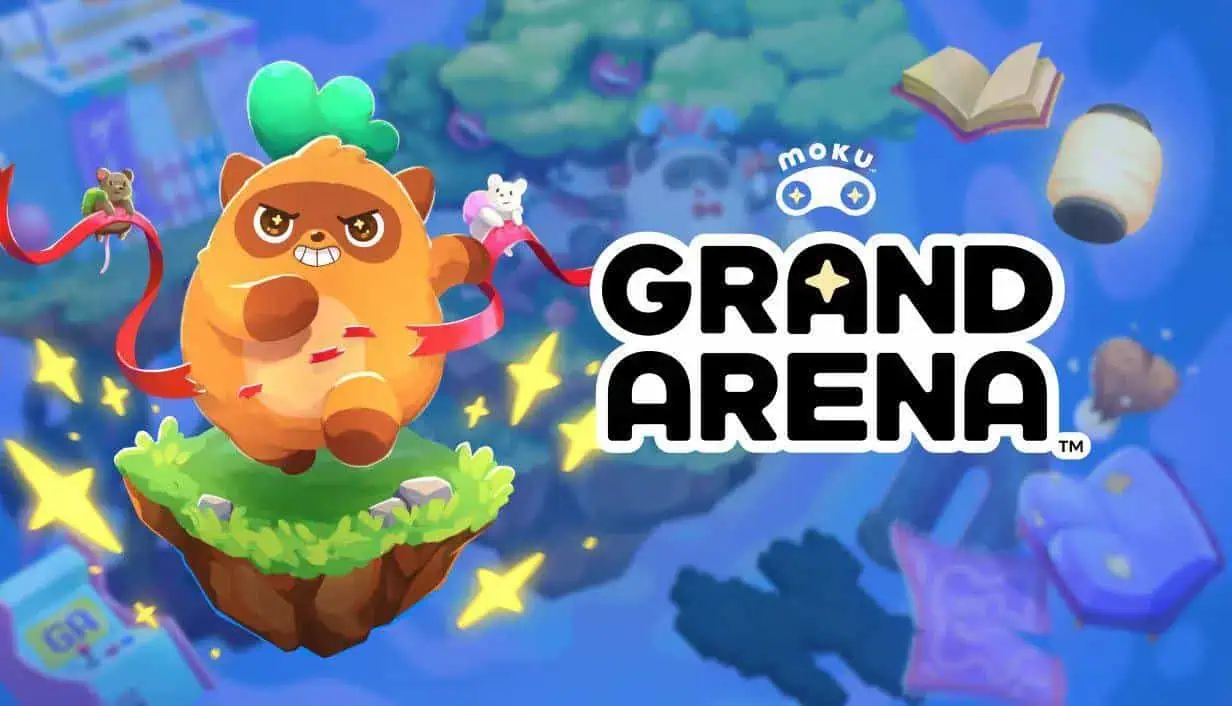
Players receive a mid-season airdrop of 650,000 bRON. Season 1 of Grand Arena started on February 20, 2026, with a $1 million prize pool. The game adds 60 new champions and bi-weekly prizes to sustain engagement. Every victory, every boost purchase, every jackpot feeds bRON back into game mechanics. The token becomes a spend-only resource, not a speculative vehicle.
Game Developers Finally Confront the Dumping Problem
Moku’s move reflects a broader industry reckoning. Pixels launched vPIXEL on February 19, 2024. Axie introduced bAXS in early 2026 and switched Classic rewards to bAXS on April 7. All three games rely on the same Apptoken infrastructure, but Moku pushes the spend-only principle furthest. The reasoning follows basic incentive design: if players can instantly convert rewards into stablecoins or ETH, they will. That behavior hollows out game economies. Developers then respond with inflationary rewards to mask outflows, accelerating collapse.
bRON prevents that death spiral by removing the conversion channel. Players cannot exit to RON directly. They cannot trade bRON on Uniswap. The only way to extract value requires finding another player willing to buy in-game assets or Gems—a much higher friction process. That friction acts as a velocity governor, slowing the drain on the token’s peg.
Ronin serves as the settlement layer
RON pays for transaction fees. bRON stays inside Grand Arena. The 1:1 backing signals stability, but without external swapability, the peg relies entirely on game-side demand. If players stop spending bRON, the token’s utility collapses. Moku bets that constant content updates, prize pools, and champion releases will maintain spending pressure.
Market participants should watch on-chain issuance and burn rates, not exchange order books. bRON generates no perpetual futures funding, no basis trade, no arbitrage. That opacity protects the game from short-term speculation but complicates institutional treasury monitoring. Compliance teams face a different challenge: tracking a token that never touches public block explorers for swap activity.
The migration deadline of April 27, 2026, for Myria’s L2 shutdown—reported separately—highlights the risks of chain-level transitions. Moku faces no such migration, but the lesson holds: custody and transferability define asset survivability. bRON’s non-transferability protects its economy while limiting holder recourse if the game fails.
Moku now tests whether gamers accept a token they cannot cash out. Early signs point to cautious adoption. The airdrop seeded wallets. The prize pools attract competitors. But the real measure comes in three months: will players keep spending bRON, or will the token accumulate unused, revealing that speculation, not utility, drove previous gaming economies?