TL;DR
-
Arena matches now directly deposit Reputation points into players’ Cities.
-
Even losses add positive Reputation, boosting the City’s faction standing.
-
Frequent Arena play accumulates more Reputation than occasional perfect wins.
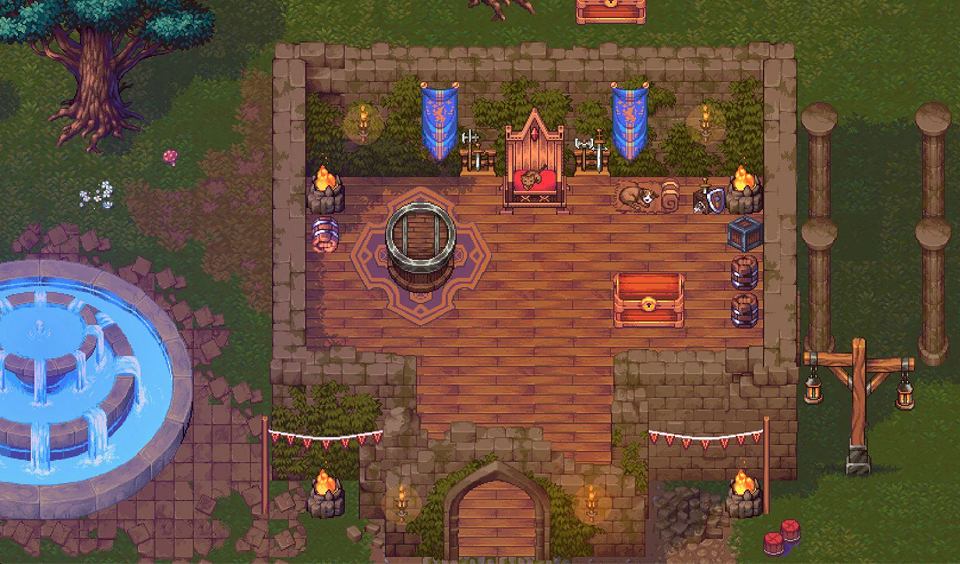
Shard Legends: Clan Wars adds a political reputation layer to its Arena system. Each player-versus-player fight now deposits Reputation points into the combatant’s home City. A victory grants a larger amount. A defeat delivers a smaller sum, but always positive. The developers discard the binary outcome as the sole reward factor and turn every duel into a collective influence deposit.
The patch shifts the weight of faction identity directly into the heart of competitive mode. A player no longer fights only for individual ranking. Every clash builds or erodes the prestige of their City within the Empire. Aggregate reputation determines the faction’s position on global political leaderboards. The Arena thus becomes a gauge of organizational health, not just a showcase for personal skill. Clans that maintain a steady daily presence generate a flow of Reputation that no sporadic winning streak can match.
The previous Arena system already produced a 667.5 percent jump in average revenue per paying user. Transaction volumes spiked after that launch. The new political incentive layer accelerates internal money velocity even further. Players enter combat, spend resources, repair equipment, and test builds more frequently because even a useful loss fuels their City’s status. The economic incentive aligns with the faction goal without depending on individual win rate.
City Reputation Rewards Combat Frequency Over Win Ratio
The design prioritizes consistency over tactical perfection. A participant who completes ten daily duels, even losing half of them, accumulates more reputation for their City than another player who fights two matches and wins both. The logic is quantitative: each fight injects points into the faction, so the mass of played matches defines the political ranking more than any efficiency metric. The volume bias reduces loss aversion and pushes players to maintain steady Arena activity. The patch turns frequent participation into a soft governance asset, accumulable without mastering an unbeatable strategy.
⚔️ GLORY AND BLOOD: THE #ARENA NOW GRANTS REPUTATION!#Citizens, #Lords, and #Champions of Shard Legends!
The Small Arena in the #Borderlands has seen much blood. You tested builds, claimed gold, and fed your personal egos. But now, the stakes have been raised to the skies.
From… pic.twitter.com/K1lcFx06FD— Shard Legends: Clan Wars | P2E MMORPG (@ShardLegends) May 3, 2026
The studio adds another piece with the announcement of the Colosseum, a faction combat mode that will amplify the weight of accumulated reputation. Cities with higher reputation will access better conditions or rewards inside the new format. The roadmap also includes Solana GameShift integration and a mobile version that moves browser players to portable devices. The combination of a persistent political currency and expanded access channels points to a game environment where every combat action carries immediate economic and governance consequences.
The update changes the nature of PvP in Shard Legends. The Arena no longer measures only reflexes or team composition; it measures the capacity of factions to sustain member activity. Reputation is recorded as an open ledger that does not discount defeats. The next step —the Colosseum— will turn that asset into tangible power within the Empire. Clans that internalize the new volume-over-perfection rule will control the political narrative and value flows of the game during the coming season.