TL;DR
-
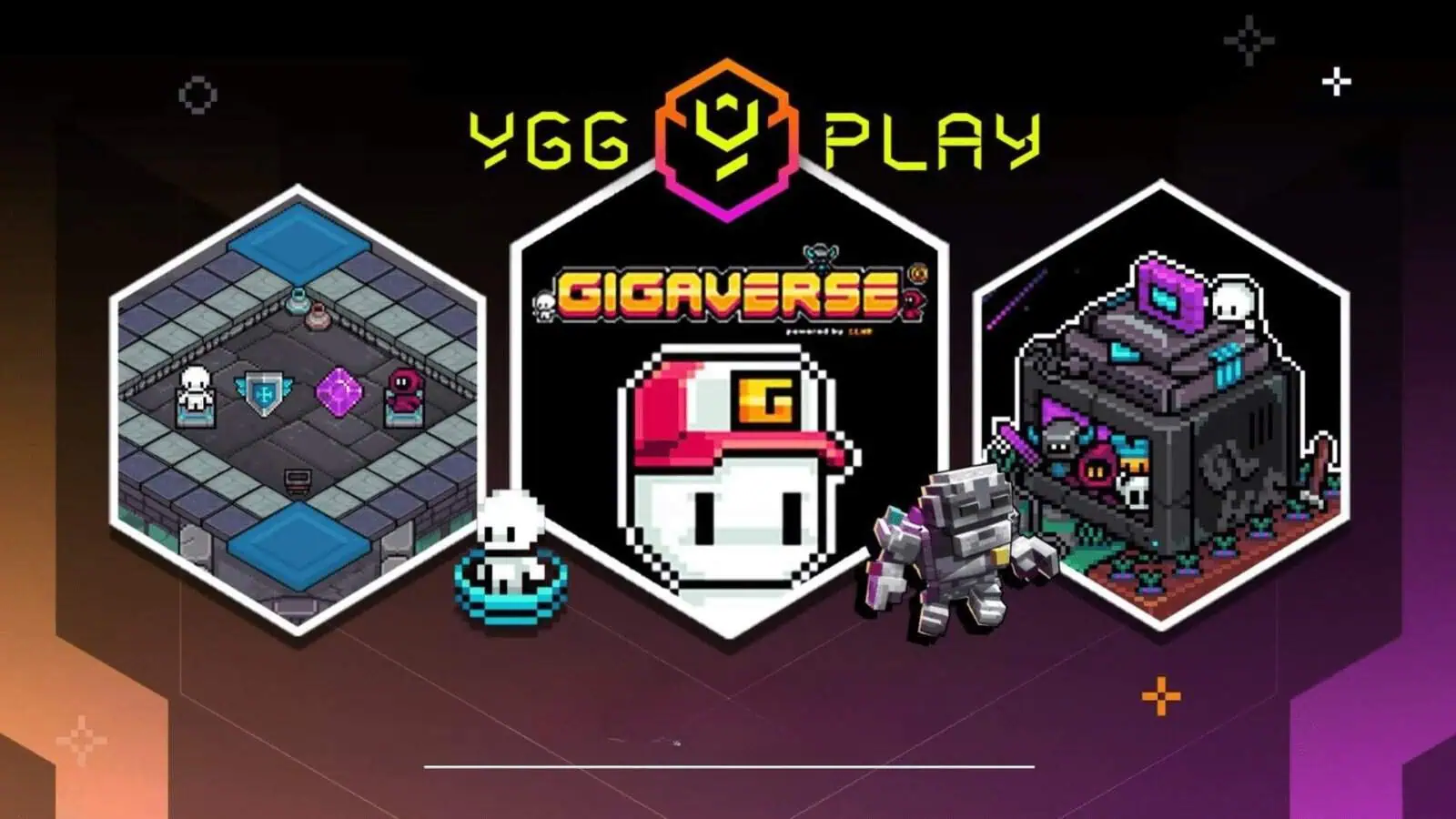
Gigaverse Void Dungeon offers $10,000 prize pool and GLHFers NFT.
-
Entry fees tier at 200, 400, 800 GIGABIT per week.
-
Pay 2 Nerf costs 75 GIGABIT, halving an echo’s stats.
Gigaverse launches a weekly Void Dungeon competition that distributes $10,000 in prizes and a GLHFers NFT to the winner. Players pay entry fees in GIGABIT tokens and face echoes of other players. The update introduces a contentious option: direct payments to weaken opponents. I believe the real experiment lies not in the dungeon itself but in the economic model combining token sinks, buying pressure on NFTs, and a nerfing system that transforms every encounter into a transaction.
The cycle starts with tiered entry fees of 200, 400, and 800 GIGABIT. A player’s total wager determines their chances at the jackpot and the amount of Void Chips collected. Competitors traverse 17 rooms and encounter about six Echoes—representations of other participants. Defeating echoes grants chips, yet the design strips any illusion of fairness. Players who spend more tokens not only play with advantage but can also manipulate opposing stats.
How ‘Pay 2 Nerf’ Turns Spending Into a Core Tactic
The Void Dungeon lets players spend 75 GIGABIT to activate Pay 2 Nerf and halve an Echo’s stats. 69% of the fee goes straight to the wallet of the Echo’s original owner. Receiving a nerf therefore pays out tokens. The operation turns an attack into a direct payment to the victim. GIGABIT flows from hand to hand with each activation, never burning or stagnating.
A well-funded competitor can buy a path to the top, weakening anyone in the way. The player who receives GIGABIT gains immediate income but loses competitive standing. The result is a match where wallet depth dictates the leaderboard, not skill. Gigaverse presents the mechanic as an interaction layer, yet it installs a marketplace of advantages.
Entry fee distribution beyond prizes: Each entry fee splits three ways—60% feeds the prize pool, 35% swells the jackpot, and 5% goes toward NFT bids, starting with the GLHFers collection. The fraction allocated to NFTs creates constant buying pressure on external digital assets. The design links dungeon activity to the floor price of partnered collections. If player flow contracts, the artificial demand vanishes.
Giga Juice subscribers receive double Void Chips and improved jackpot odds. The subscription adds another payment layer that widens the gap between heavy investors and minimal spenders. A player without juice and lacking funds for mass nerfing faces rivals who advance faster and earn more chips per echo. The weekly equality Gigaverse advertises exists on the surface; beneath the numbers, competition mirrors capital distribution.
The first week’s 10,000includesa5,000 pool, a $5,000 jackpot, and a GLHFers NFT. Unclaimed jackpots roll into the next cycle. Mechanic after mechanic, the structure locks in retention. A growing pot chains the attention of players who already invested GIGABIT and time. Gigaverse does not need to retain through game quality; financial engineering handles it.
The reset happens immediately after the announcement, wiping achievements, chips, and resources every seven days. The decision forces participants to spend again to stay competitive. The dungeon saves no progress. The weekly cycle operates as a billing clock, converting GIGABIT tokens into fuel for a recurring revenue engine.
Yet Pay 2 Nerf blurs the line between play and mandatory spending. Every nerfed echo reminds everyone that wallets decide who advances and who becomes a passive income provider for rivals. Gigaverse has built a money-making machine, but entertainment remains tied to weekly spending power. The jackpot will keep growing as long as players accept that winning costs, and losing also pays.