TL;DR
- GameFi funding fell ~70% in 2025, causing widespread studio closures and token value collapses.
- A core group of titles (Axie, Alien Worlds, etc.) survives by focusing on gameplay and token utility over speculation.
- The sector shifts towards stablecoin payments, sustainable monetization, and clear player ownership.
GameFi funding plunges about 70% in 2025, triggering shutdowns, canceled roadmaps, and frozen milestones. Venture investors cut checks from roughly $1.0 billion last year to about $350 million. Teams that relied on constant capital raises slash staff and turn off servers. The play-to-earn story loses appeal as token demand dries up and retention weakens; many launches see six in ten users leave within a month.
RON drops about 92%, PIXEL falls near 95%, and WEMIX retreats more than 50%. With Bitcoin near $87,000–$90,000 in late December, macro pressure does not fully explain the pain. In-game economies that depend on emissions and yield without strong sinks run out of buyers, and price signals turn harsh.
Closures mount while a core set adapts and survives
Ember Sword halts in May after a rocky beta and tight cash. Nyan Heroes, a Solana shooter with strong wishlists, folds in the same month as NYAN collapses. Mojo Melee redirects work toward AI, and Pirate Nation abandons a flagship effort over high costs and thin usage. By year-end, Ragnarok: Monster World ends service, angering long-time fans of the IP. Even DappRadar, a staple for on-chain stats, closes after seven years of strain. Studio exits arrive with little notice in some cases, and players chase refunds while NFTs lose utility.
A smaller GameFi group adjusts design and holds a loyal base
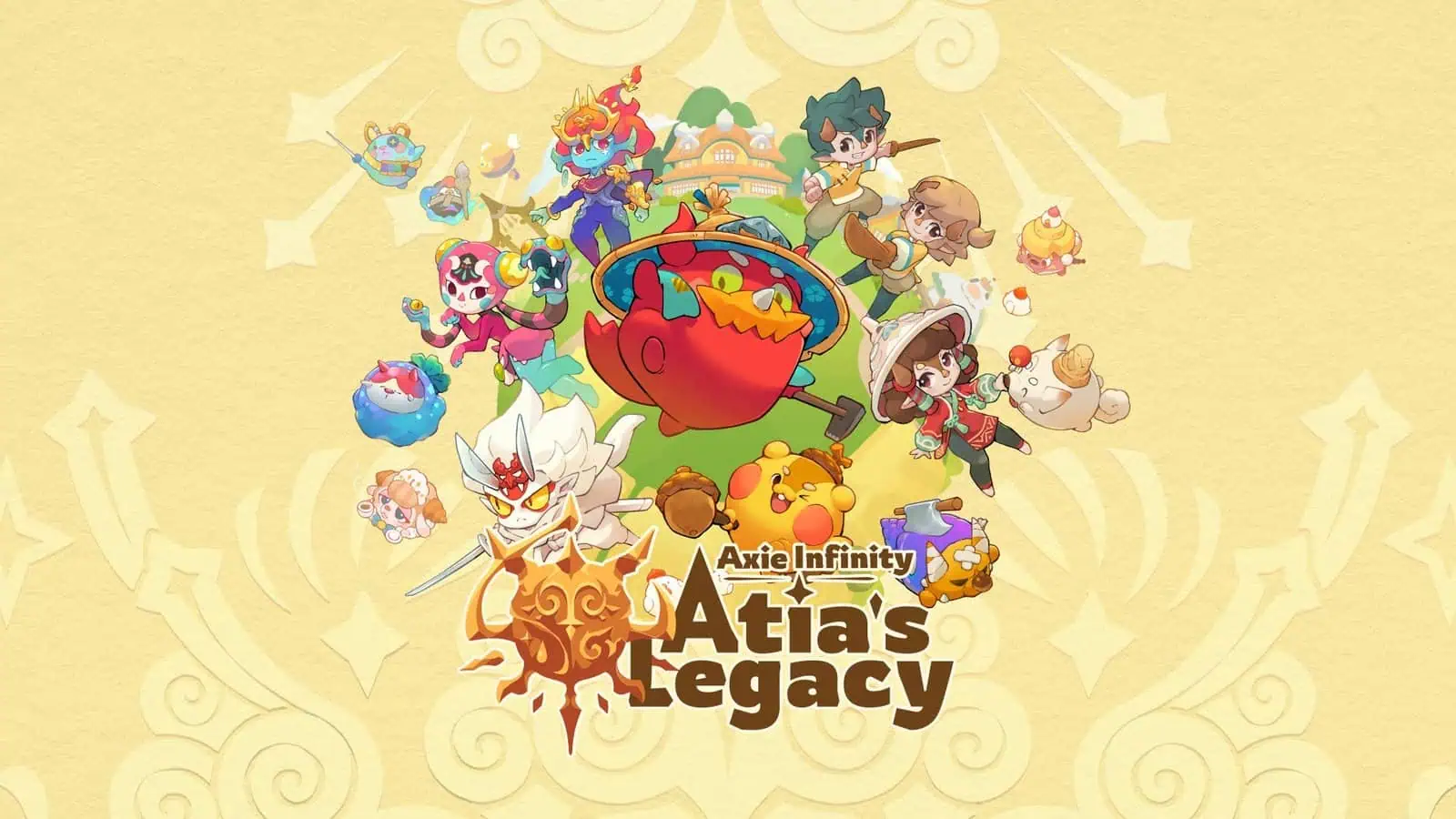
Axie Infinity keeps turn-based battles and refines SLP/AXS loops to reward skill over grind. Alien Worlds sustains mining and on-chain governance with TLM under tighter rules. Gods Unchained attracts strategy players with card duels and GODS payouts tied to wins. The Sandbox strengthens a creator hub that uses SAND for building and trading. Splinterlands maintains a low barrier to entry and issues DEC within a proven auto-battler format.
Design priorities shift toward utility and unit economics
Teams trim token emissions, raise item sinks, and link rewards to measurable play. Studios that track session length, returning users, and payer conversion show better durability than projects that depend on price spikes.
Many publishers adopt stablecoins for in-app items and marketplace fees to reduce volatility risk. Mythical Games prepares a USDC marketplace for 2026, aiming for steadier cash flows and cleaner accounting. Casual, crypto-native releases bet on tight loops and short cycles, while large IP holders experiment with limited on-chain features rather than full token economies.

FIFA Rivals enters Avalanche with brand partners such as Adidas, adding credibility for sports licenses in Web3 gaming. Play Solana unveils a handheld console with an embedded wallet, combining hardware and crypto onboarding in one path. Mid-tier studios concentrate on sustainable monetization, clear digital ownership, and closed-loop sinks that curb inflation.
The 2025 takeaway lands with force: build for players first and let tokens serve the game, not steer it. Teams that align rewards with skill, cap supply, and justify spend with fun preserve traction through drawdowns.
The next phase calls for stable payments, friction-light wallets, transparent retention metrics, and content that earns repeat sessions without airdrop bait. Where fun leads, value follows; where only a token remains, the market already delivered the verdict.