TL;DR
- Olderfall’s tournament series offers a 3,000 USDC prize pool throughout January.
- Prizes are split into four weekly and four Friday “Quick Play” events.
- The transparent, USDC-based payout system aims to build player trust.
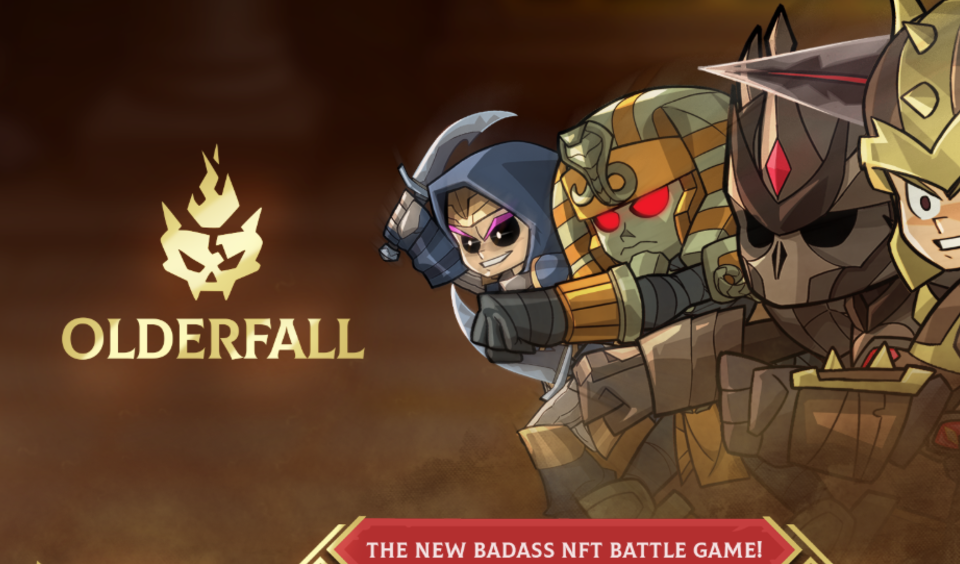
Olderfall kicks off a month-long tournament series this January, backed by a 3,000 USDC prize pool split across weekly competitions and fast-paced Friday events. The studio partnered with Moonbeam Network and the N3MUS Foundation to design a calendar blending endurance and speed—rewarding both dedicated players and quick reflexes. Four weekly tournaments run from Wednesday to Wednesday, while one-hour Quick Play sessions every Friday offer concentrated bursts of competition.
Weekly events distribute 500 USDC each, paying down to 40th place with tiered rewards: 100 USDC for first, trickling to 5 USDC for 11th–40th. Quick Plays award 250 USDC per session, heavily favoring top finishers—40 USDC for first place, 35 USDC for second, then steep drops. This structure creates a predictable rhythm: players grind weekly ladders for steady gains while chasing Friday’s high-stakes sprints.

The Steel Accord tournament opens January 7, followed by Sworn Allegiance (Jan. 14), Rising Banners (Jan. 21), and Concord Manifest (Jan. 28). Quick Play events—dubbed Steel Winter, Rise of 2026 Elite, Bonez of Glory, and Skull Winners Circle—run Fridays at 21:00 UTC. Moonbeam’s blockchain handles payouts, ensuring transparent, auditable USDC transfers. No complex tokens or derivatives—just direct rewards.
For crypto treasuries, the series offers a test case in small-scale reward economics. The total prize pool won’t move markets, but its consistency matters. Weekly distributions create reliable on-chain cash flows, while Friday spikes may briefly strain gas fees during peak logins. N3MUS Foundation’s involvement hints at future integrations with NFT-based progression systems, though current prizes stay simple.
Olderfall Players face clear incentives
Weekly tournaments encourage daily logins to climb leaderboards. Quick Plays attract risk-takers chasing outsized Friday payouts—a design likely to boost short-term trading of in-game assets. Olderfall’s team monitors how these patterns affect NFT marketplace activity; concentrated rewards could spike demand for performance-enhancing items ahead of events.

A 3,000 USDC commitment is manageable for a studio, yet meaningful for its community. Compliance teams appreciate the clean USDC structure—no volatile tokens or tax complications. The real test comes with Sworn Allegiance, starting January 14. Will players return after the first week? Retention data will signal whether this model sustains interest or fades like past crypto gaming ventures.
No vague promises about “revolutionizing play-to-earn.” Instead, it offers concrete dates, fixed prizes, and blockchain-backed transparency. Moonbeam’s infrastructure ensures winners receive funds within hours—a contrast to projects delaying payouts for weeks. This operational clarity builds trust in a space rife with broken promises.