TL;DR
- Real utility replaces scarcity as primary driver of NFT demand.
- Gaming models shift from earnings toward ownership-based engagement and sustainability.
- Projects pursue recurring revenue instead of one-time token sales reliance.
The NFT market is undergoing a cleansing phase separating projects with real economic foundations from initiatives lacking direction. During the early cycle, digital scarcity attracted buyers; however, speculative interest weakened and forced a reassessment. Sustainability now depends on tangible business models, verifiable revenue, and practical utility. Consequently, the sector shows a visible split: some teams build brands with commercial reach, while others remain without clear purpose.
The shift appears in how participants evaluate value. Previously, rarity justified elevated prices. Buyers now demand functional benefits, product access, service integration, or participation in digital experiences. Without genuine demand, exclusivity loses economic relevance. Therefore, several projects attempt expansion through merchandise, premium content, or commercial agreements. Still, such initiatives fail when a coherent business structure remains absent.
Moreover, projects maintaining public interest develop intellectual property and establish recurring revenue streams. Some expand toward digital media, licensing, or physical products. Under such structure, the token stops acting as final product and becomes one element inside a broader offering. Such adjustment reshapes market logic and compels teams to operate with business discipline.
Utility reshapes value within the NFT market
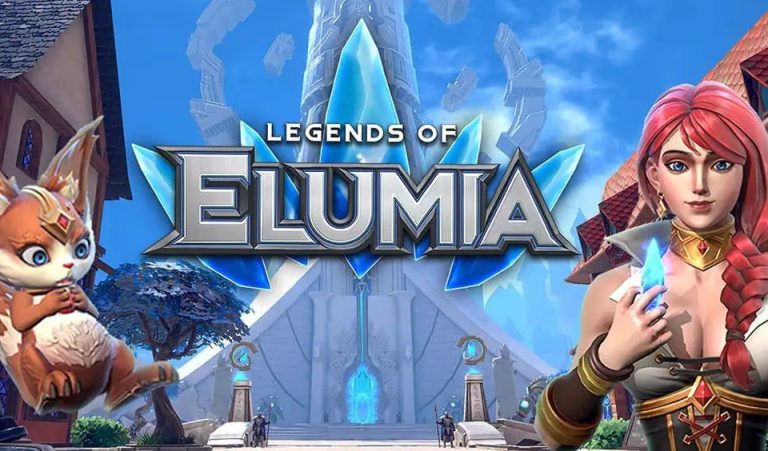
Gaming provides a clear example of transition. The play-to-earn model lost traction once financial incentives overshadowed entertainment. Inflation of rewards reduced economic viability. In response, the play-to-own concept gained attention, emphasizing digital ownership and in-game utility. Implementing such structure demands balance between internal economy, gameplay, and organic demand. Only a limited number of studios maintain equilibrium.
Additionally, several projects explore tokenizing intellectual property tied to NFTs. Such approach aims to expand liquidity and broaden participation. Greater liquidity, however, attracts operators seeking rapid gains. Resulting pressure may weaken long-term stability if speculative activity surpasses organic adoption. Teams therefore prioritize continuous utility rather than mere asset turnover.
Market behavior also shifts from speculation toward practical use
Early buyers often acquired assets for immediate resale. Interest now gravitates toward durable experiences, exclusive access, and participation in creative initiatives. Consequently, NFTs offering limited functionality lose relevance. Meanwhile, projects integrating gaming, memberships, or content access maintain traction.
Rapid profits become less frequent, while value creation requires consistent execution. Such adjustment removes opportunistic initiatives and strengthens proposals with structured planning. At the same time, investors reward teams communicating measurable goals and demonstrating real revenue.
The ongoing consolidation does not imply disappearance. Instead, maturation allows proposals with solid foundations to persist. Underlying technology still enables creative and commercial possibilities. Success now depends on practical utility, recognizable branding, and sustainable financial structure. In essence, the NFT market moves beyond superficial speculation and advances toward a model where real value, verifiable income, and functional benefits determine longevity.