TL;DR
- Nike sold its digital collectibles studio RTFKT on December 17, 2025.
- Nike faces an ongoing class-action lawsuit related to its NFT marketing practices.
- The sale ends Nike’s direct involvement in the digital goods space.
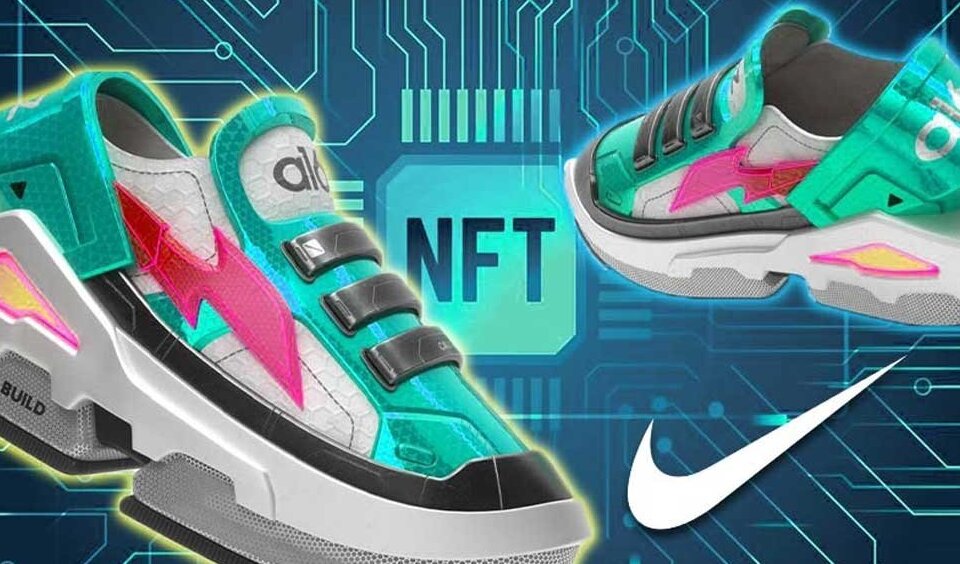
Nike completed the sale of RTFKT on December 17, 2025, and closed a chapter that tied the brand to digital collectibles and blockchain goods. The transaction removed Nike from direct ownership of a studio known for virtual sneakers and token-based releases. Nike did not disclose the buyer or the price, and public filings offer no financial breakdown.
The decision aligns with a broader reset inside Nike. Management directs resources back toward footwear, apparel, and wholesale relationships that drive steady cash flow. Chief executive Elliott Hill outlined the direction in late 2024, when leadership stated a return toward sports products and partner channels. The RTFKT sale follows that stance and narrows the company’s exposure to digital goods.
Nike reported quarterly revenue of $12.4 billion for the period ending November 30, 2025, a modest gain of 1% year over year. At the same time, the Converse brand recorded a 30% revenue drop. The contrast underscores uneven performance across business lines and places pressure on areas that do not support near-term stability. Under such conditions, management prioritizes categories with proven demand and scale.
Legal pressure and brand recalibration
The exit from RTFKT does not close legal matters tied to digital products. Nike continues to face a class-action lawsuit filed on April 25, 2025, in federal court in Brooklyn. The case, Cheema v. Nike Inc, seeks damages exceeding $5 million and challenges marketing practices connected to NFTs and related digital items. Court filings describe claims around consumer expectations and disclosures.
Legal exposure adds cost and uncertainty, even after a divestment. Defense expenses and reputational risk persist while proceedings continue. Corporate teams often weigh such burdens against returns, especially when core categories show strain. In parallel, Converse performance draws attention and calls for operational fixes, merchandising changes, and channel adjustments.
RTFKT’s role under Nike extended beyond sales of virtual items. The studio built a presence in collectibles culture and gaming-adjacent markets, blending digital fashion with online worlds. Nike acquired RTFKT to explore storytelling and brand expression in virtual spaces. Over time, the studio released tokenized sneakers and collaborations that reached a tech-oriented audience.