TL;DR
- Pixiland suspended all Web3 features and moved to an off-chain Web2 model.
- The wPixi token will be converted to a non-tradable in-game currency.
- Players have a one-time window to claim copies of their NFTs in February 2026.
Pixiland halted its blockchain features and moved to a fully off-chain Web2 model effective Jan 15, 2026, citing market volatility, regulatory pressure and resource limits. The decision suspends token issuance, crypto payments and NFT minting, reshaping the game’s economic architecture and stripping prior on-chain mechanisms of their tradable value.
The studio framed the change as a pragmatic step to preserve operations rather than pursue decentralised expansion, according to an announcement reported by eGamers.io.
What changed and the timeline
The Web3 pause took effect on Jan 15, 2026 and immediately disabled the in‑game shop, crypto top‑ups, neighborhood features and new Web3 development. Land mechanics were reconfigured to run on GEM, the internal in‑game currency.
- Jan 15, 2026 — Web3 functionality suspended; crypto top‑ups, minting and neighborhood systems disabled and pending rewards credited to player balances.
- Feb 1, 2026 — Game will be fully updated to Web2; a one‑time window will allow players to claim 1:1 off‑chain copies of existing NFTs and wPixi balances will be converted to GEM at a 10:1 ratio.
- Mar 1, 2026 — Dashboard service will be decommissioned, removing on‑platform tools for mapping, withdrawing or managing NFTs and any remaining token balances.
Implications for tokens, NFTs and market participants
The automatic conversion of wPixi into GEM at 10:1 effectively devalues prior Web3 balances into a non‑withdrawable, non‑convertible in‑game unit. GEM is defined as an internal commodity with no off‑platform monetary value, which means treasuries and traders holding wPixi will face an immediate liquidity and valuation downgrade.
Pixiland maintained that it does not custody player assets and that users can withdraw on‑chain NFTs to personal wallets. However, with minting, deposit and asset‑mapping tools disabled, the practical ability to monetise or port those assets is severely constrained. The transition converts verifiable blockchain ownership into off‑chain representations for any players who accept the one‑time claim.
“Our priority during this phase will be maintaining server stability and addressing critical issues when necessary,” the team said, according to the announcement reported by eGamers.io. The language frames the move as operational triage rather than product pivot.
For institutional holders and custodians, the change raises immediate questions about asset classification, impairment and reporting. Tokenised holdings that were expected to deliver tradable liquidity are now functionally illiquid unless withdrawn to external wallets before the dashboard closure. That process, and the forthcoming claim window, will determine how much value can realistically be recovered.
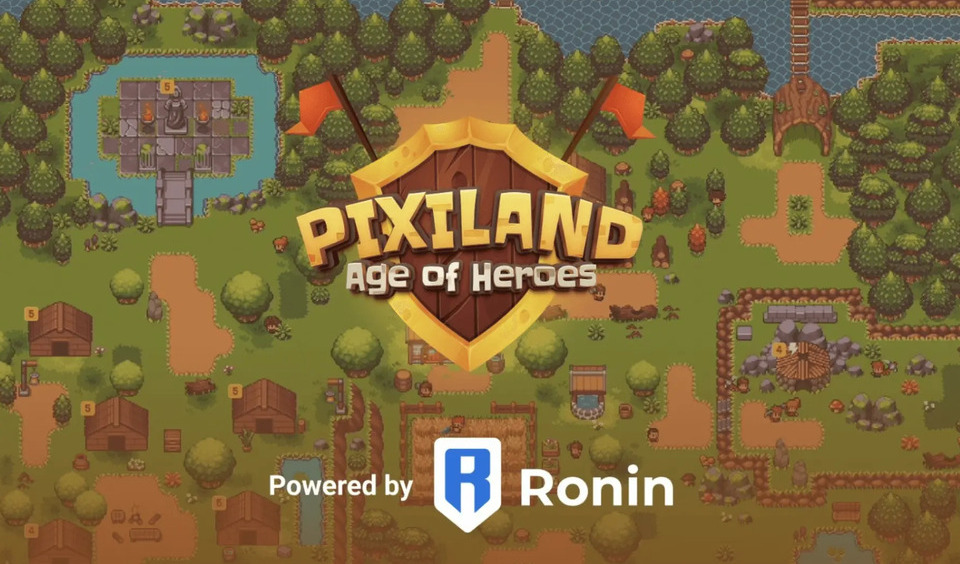
Operationally, the exit from the Ronin‑based on‑chain model severs previously active integrations and eliminates a layer of blockchain settlement risk—but it also removes open‑market price discovery for Pixiland assets. For traders focused on derivatives, perpetuals and basis, the event reduces a potential source of altcoin flow and on‑chain arbitrage.
Investors and treasuries are likely to watch two dates closely: Feb 1, 2026, when the one‑time NFT copy claim and wPixi→GEM conversion occur, and Mar 1, 2026, when the dashboard is shut down. The Feb 1 window will be the practical test of how much on‑chain value can be retained; Mar 1 will close the chapter on in‑platform asset management.