TL;DR
- CEO Ken admits SHRAPNEL failed, taking full accountability for shortcomings.
- Game redesigned into Stockpile mode for faster, meaningful combat action.
- Studio rebuilt structure based on playtests, not incremental patches.
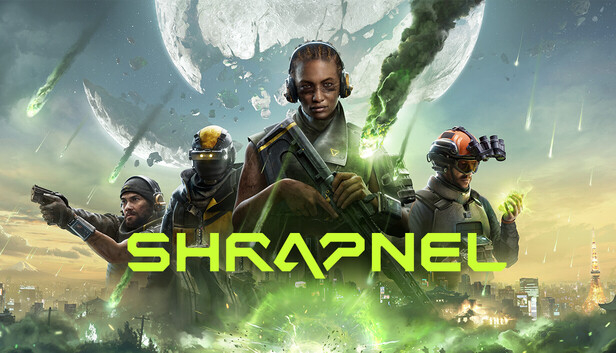
Ken, CEO of Neon Machine, walked into one of the harder conversations a game studio leader can have with an audience: the one where you stop making excuses and start accounting for outcomes. In a direct public address to players both new and returning, he acknowledged that SHRAPNEL missed the mark in ways that mattered, named the studio as responsible, and laid out exactly what changed and why.
Leadership changed. Parts of the team changed. And the game itself changed — not through minor adjustments, but through a structural rethinking of what the experience needed to deliver. Ken framed the problem with the kind of clarity that tends to get lost in corporate communications: a competitive shooter either produces intensity, tension, and replayability, or it fails at its core function. Playtests told the team that the original version did not consistently hit those marks. The response was a deliberate redesign rather than a series of incremental patches hoping the issues would resolve themselves.
The result of that redesign is Stockpile, the mode players encounter when they step into SHRAPNEL now. Ken describes its purpose in operational terms: get players into meaningful action faster, give teams concrete objectives that drive movement and combat decisions, and maintain sustained pressure throughout each match. The goal is to generate the kind of moments players replay in conversation after the session ends — the last-second steal, the risky deposit that paid off, the decision to hold or run that determined the outcome.
A Studio That Changed Direction Mid-Build Asks Players to Judge the Destination
Ken spent more than 30 years making games before taking the CEO role at Neon Machine roughly a year and a half ago. When he stepped in, the team ran a hard internal assessment of what the game was producing versus what a competitive shooter in the current market actually requires. The conclusion pointed toward the Stockpile direction. Between making that call and Early Access launch, the studio ran two full playtests — not as marketing exercises, but as pressure tests designed to surface friction and convert player feedback into concrete improvements before the build reached a wider audience.
The acknowledgment of past shortcomings sits alongside a specific request. Ken asked players — particularly those arriving with skepticism built from earlier disappointments — to resist letting outside opinions set their expectations before they play. The studio’s position is that the build itself should be the argument, not the promises surrounding it. Hold the team to what ships, he said, not to what anyone says about what will ship.
The transparency commitment Ken outlined operates on three levels: clear documentation of what changes between builds and the reasoning behind each change, honest acknowledgment of rough edges when they exist rather than silence until fixes arrive, and sustained attention to the immediate player experience rather than long-term roadmap announcements that substitute for present-day quality.
SHRAPNEL currently sits in Early Access, with a Wishlist option open for players who want to track its development. The studio does not ask for trust as a starting condition. Ken’s framing treats trust as a conclusion — something players reach after judging several consecutive builds, not something the studio claims in advance based on intention.