TL;DR
-
Splinterlands and AtomicHub partner to raise trading card liquidity and interoperability.
-
WAX bridge upgrades aim to speed cross-chain trades for WAXP token users.
- Better marketplace visibility lowers entry barriers for new Splinterlands players.
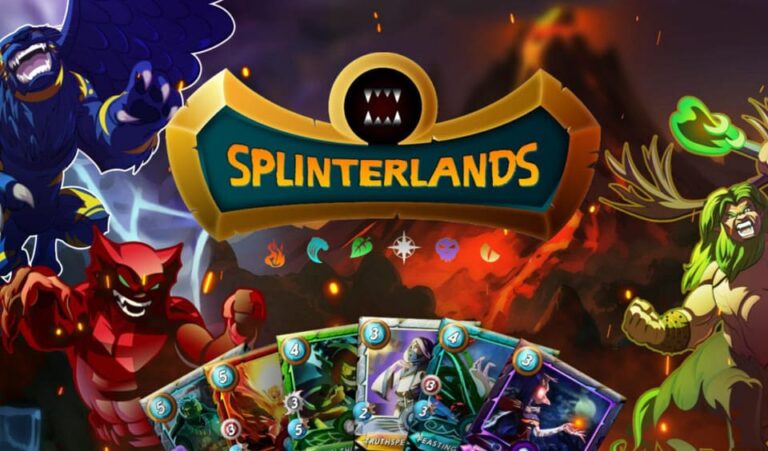
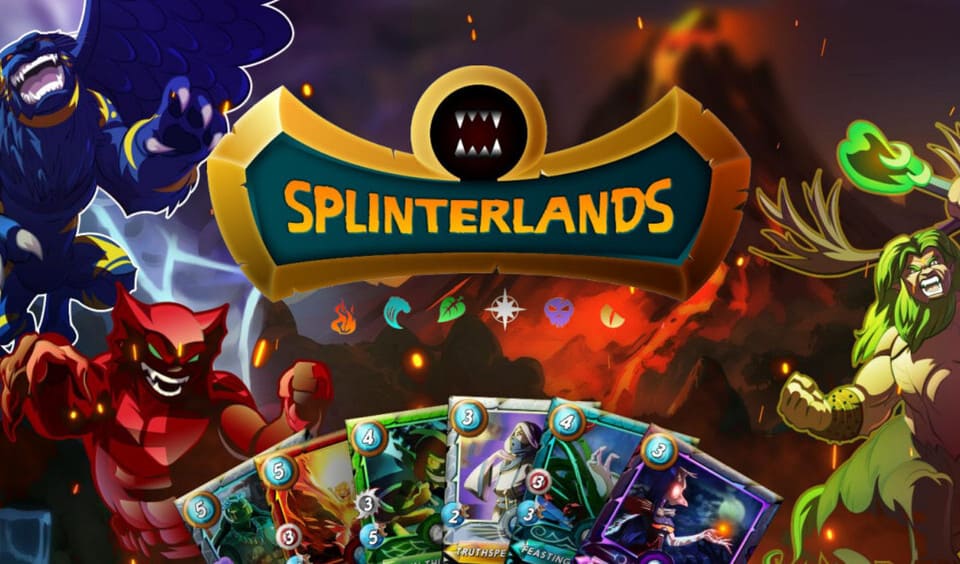
The trading card game Splinterlands has entered a partnership with the NFT marketplace AtomicHub. The goal is to raise liquidity and make it easier to move game assets across different blockchains. This deal follows AtomicHub’s purchase by Spielworks, which happened in September.
How the Collaboration Works
Previously, both companies worked together on the WAX bridge. That tool allowed players to trade card NFTs between chains. Now, the new agreement aims to refine those processes. For instance, the speed of trades using WAXP tokens should improve. Additionally, AtomicHub operates across several blockchains. Splinterlands, by contrast, runs mainly on the Hive blockchain. This wider reach could help Splinterlands attract collectors who prefer WAX.
The planned upgrades to the WAX bridge are part of the deal. Spielworks’ ownership of AtomicHub is expected to bring new technical functions. However, the companies have not released a specific timeline for these changes.
Liquidity on the trading market directly affects card prices
It also shapes how players experience the game. For a new user, being able to buy or sell a card quickly is important. If the market stalls, card values can drop or become unpredictable. Splinterlands has already paid out more than $7 million in tournament rewards. The game also runs a rental system, where players lend cards to others for a fee. Both features need a fluid market. Without enough trading volume, rental prices and card inventory would not move as they should.
Consequently, the partnership focuses on making the marketplace more visible. Better discovery tools mean buyers can find specific cards faster. Sellers can list them with less friction. This should keep prices stable and inventory circulating.
Joining Splinterlands can require a large upfront payment
The game is competitive, and strong cards often cost real money or cryptocurrency. That upfront cost has kept some people away. The collaboration aims to ease that path. Improved trading mechanisms and a clearer marketplace interface should help. For example, a new player could buy a lower-cost card, test the game, and then trade up. The rental system also allows temporary access to strong cards. But without easy trading, those options become harder to use.
Thus, the partnership is not just about technology. It is about making entry less intimidating. The Splinterlands team said, “This partnership is more than just a collaboration; it’s about building connections that benefit both our communities.” That statement points to a practical outcome: more players joining and staying.
Splinterlands launched in 2018
Since then, it has built a large player base in the web3 card game space. The platform holds over 860 unique NFT cards. Each card’s ownership is recorded on a blockchain. The game uses changing rulesets for battles, so a card that works well today may be less useful tomorrow. That unpredictability keeps the market active.
The game also has a governance token called SPS. Holders of this token can vote on development decisions. This setup gives players a direct say in future features. However, token values also depend on market liquidity and trading volume. So the link between the partnership and the token is clear: better trading should support token utility.
Both companies see this deal as a starting point
AtomicHub has existing relationships with several blockchain networks. Those connections could bring Splinterlands to more platforms. More platforms mean higher trading volumes. Higher volumes increase visibility on AtomicHub, which is already a leading NFT marketplace.
The partnership does not promise a complete overhaul overnight. Instead, it lays a foundation. Future multi-chain initiatives might include support for other tokens or bridges to additional blockchains. For now, the immediate work is on the WAX bridge upgrades and marketplace visibility.
The success of this partnership will depend on technical delivery
Upgrading a bridge takes time. Testing is required to avoid security holes. Also, marketplace changes must not confuse existing users. The companies have not announced a launch date. Still, the direction is clear: more liquidity, easier onboarding, and wider blockchain support. These are concrete steps, not vague promises.
In the coming months, players should watch for faster trades and lower entry costs. If those arrive, the deal will have achieved its main goal. If not, the collaboration may remain just an announcement. For now, the two teams are moving forward with the work.